
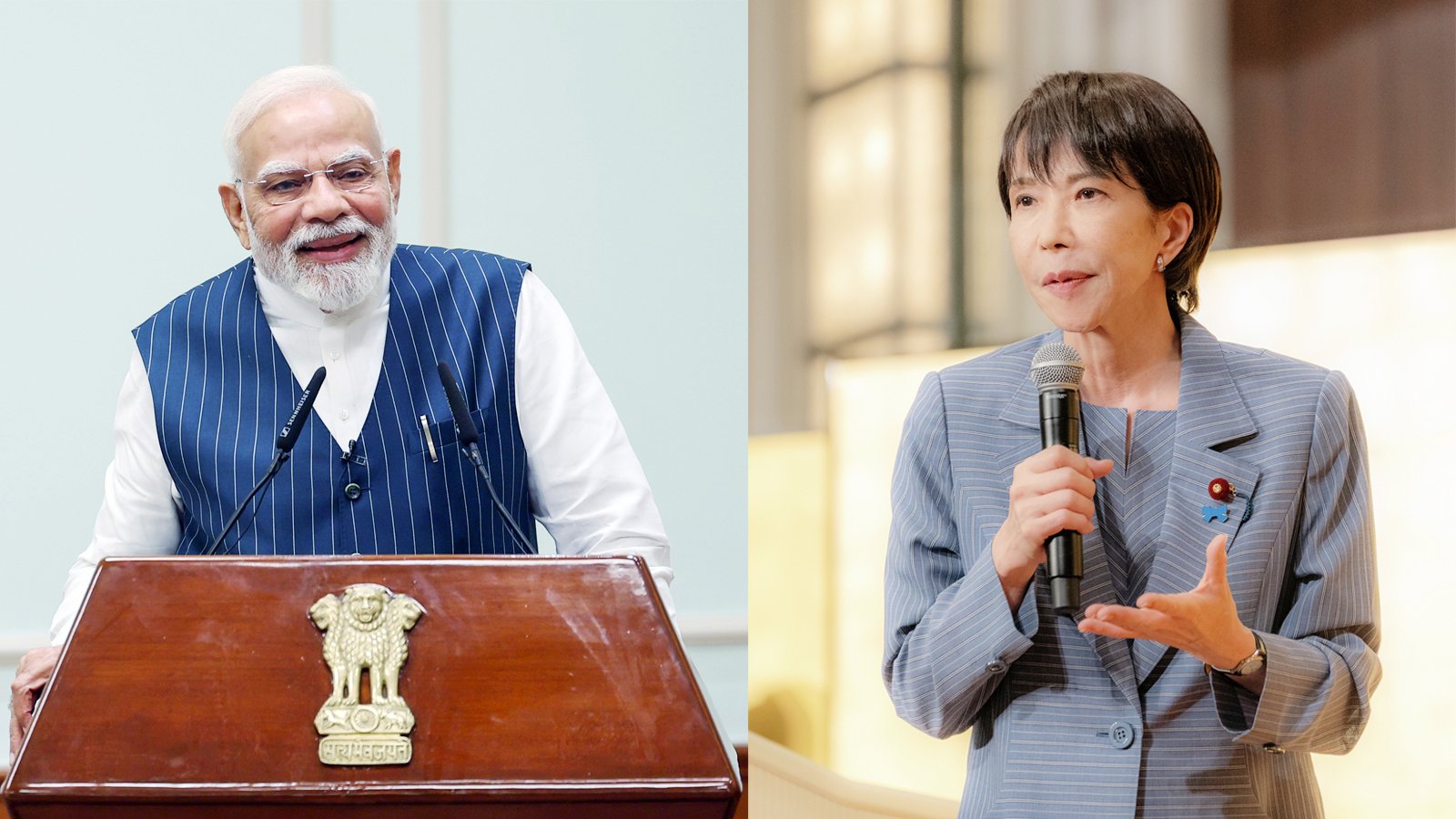
When new leadership emerges in a key global democracy, it marks a significant moment for international relations. Recently, India’s Prime Minister Narendra Modi extended warm congratulations to Japan’s newly appointed Prime Minister, highlighting the crucial partnership between the two nations. This gesture is not just diplomatic courtesy—it underscores the broader importance of the India-Japan strategic partnership in promoting peace and stability across the Indo-Pacific region in 2025.
Attention-Grabbing Introduction
In a world shaped by geopolitical shifts and evolving alliances, the friendship between India and Japan serves as a beacon of stability and cooperation. Modi’s congratulatory message to Japan’s new Prime Minister reflects a commitment to strengthening bilateral ties that are essential for regional security and prosperity.
The Strength of India-Japan Relations Today
India and Japan share a multifaceted partnership based on shared democratic values, economic collaboration, cultural ties, and strategic cooperation. Their relationship has grown steadily, evidenced by frequent high-level interactions like annual summits and joint initiatives in various sectors.
Key Pillars of This Partnership Include:
Strategic and Defense Cooperation: Regular joint military exercises, intelligence sharing, and a comprehensive security cooperation agreement signed in 2025 bolster regional defense capabilities.
Economic Collaboration: Japan has committed significant investments, with a target of $68 billion by 2035, focusing on critical sectors like semiconductors, clean energy, and infrastructure.
High-Speed Rail and Connectivity: Projects like the Mumbai-Ahmedabad Shinkansen link demonstrate deep technological cooperation.
Innovation and Technology: Joint initiatives in AI, space exploration, and clean energy underline a forward-looking partnership.
Cultural and People-to-People Exchanges: Shared cultural heritage and educational collaborations strengthen bonds between the peoples of both nations.
Modi’s Message to Japan’s New PM
Prime Minister Modi’s congratulatory message emphasized the following:
Commendation of Japan’s democratic values and progress.
Recognition of the vital role Japan plays in Indo-Pacific regional security.
Commitment to deepening cooperation for a peaceful and stable Indo-Pacific.
Invitation to work together on global challenges including climate change, economic security, and technological innovation.
This public acknowledgment also reinforces the trust and mutual respect that underpin the India-Japan strategic partnership.
Why India-Japan Ties Matter for Indo-Pacific Peace
The Indo-Pacific region is a hotbed of competing interests, with rising tensions and strategic rivalries. In this context, the India-Japan partnership stands out for several reasons:
1. Shared Democratic Values
Both countries advocate for a free, open, and rules-based international order, making their alliance a natural counterbalance to regional assertiveness.
2. Security Cooperation
Joint military exercises such as Malabar and Dharma Guardian demonstrate readiness to work together in maintaining regional security and maritime safety.
3. Economic Resilience
Collaborative efforts to strengthen supply chains, promote sustainable development, and invest in emerging technologies enhance economic stability in the region.
4. Climate and Sustainability Focus
Both nations are committed to achieving net-zero emissions goals and cooperate on clean and renewable energy projects, contributing to global climate efforts.
5. Regional Connectivity and Infrastructure
Infrastructure investments help improve trade routes and connectivity, essential for a stable and prosperous Indo-Pacific.
Benefits of the India-Japan Strategic Partnership
Increased Regional Stability: By working together, India and Japan help deter aggressive unilateral actions.
Economic Growth: Flow of investments and technology boosts economic development.
Technological Advancement: Joint initiatives accelerate innovation in AI, space, and green energy.
Cultural Affinity: Strong people-to-people links support ongoing diplomatic goodwill.
Collaborative Global Governance: Both actively participate in reforming global institutions and addressing transnational issues like terrorism and pandemics.
Future Outlook
The future of the India-Japan relationship looks promising with ambitious agendas set for the next decade, including expanded defense collaboration, deeper economic partnerships, and sustainable development goals. The two countries have agreed to enhance human resource exchanges, cooperation in space missions like the Lunar Polar Exploration, and AI development, positioning themselves as key players shaping the Indo-Pacific landscape through 2035 and beyond.
Conclusion
Prime Minister Narendra Modi’s congratulations to Japan’s new PM is more than a diplomatic formality. It signals a renewed commitment to an enduring strategic partnership that plays a vital role in maintaining peace and stability in the Indo-Pacific region. As these two vibrant democracies continue to collaborate across defense, economy, technology, and culture, their alliance remains a cornerstone of a secure and prosperous future for the Indo-Pacific and the wider world.

