
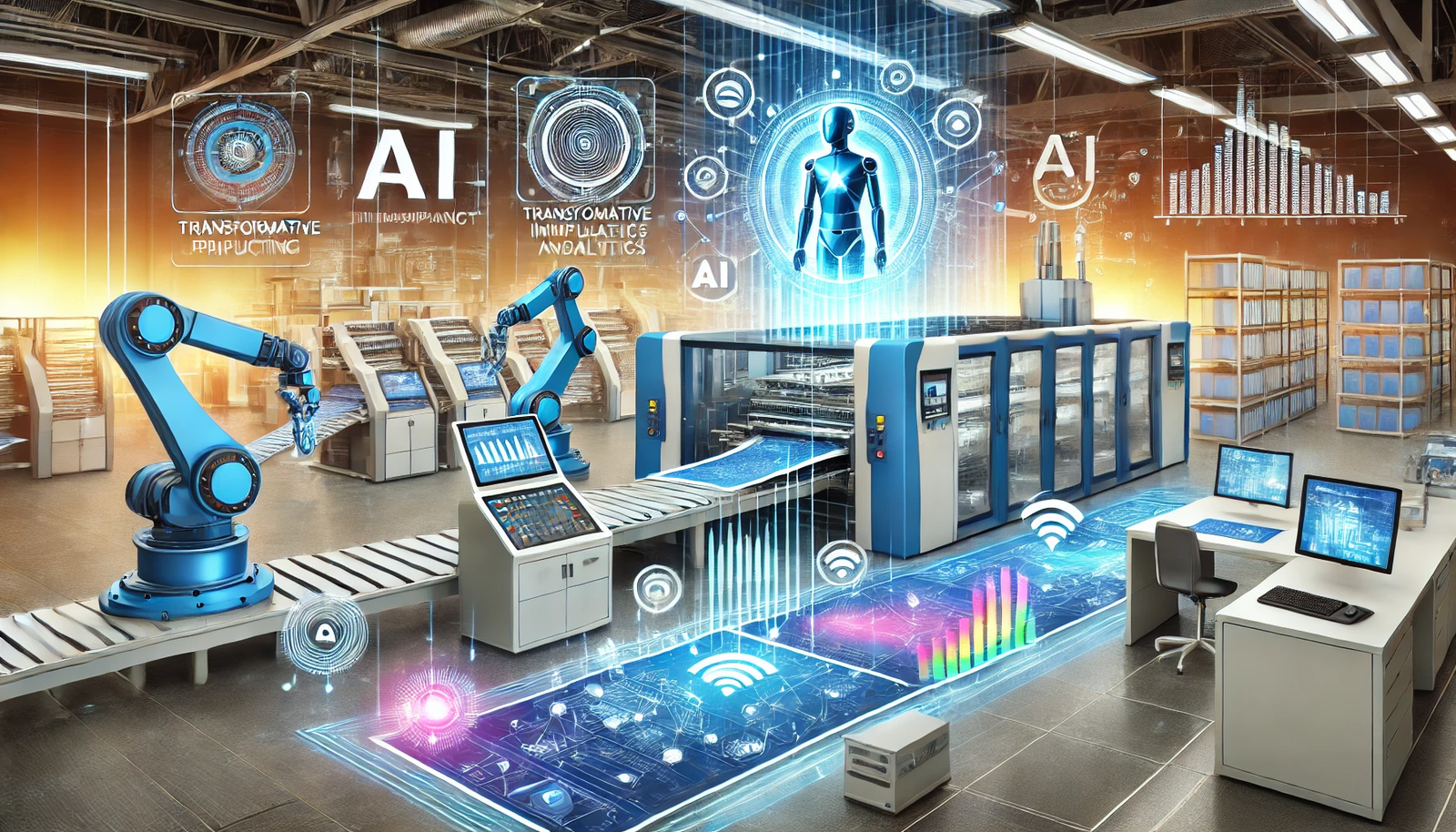
The print world is no longer just about ink and paper. In 2025, AI in the print industry has become the driving force behind smarter operations, faster turnaround times, and more personalized solutions. From design studios to packaging giants, businesses are discovering how artificial intelligence can transform every stage of production — saving money and boosting creativity.
Let’s explore who is using AI and how it’s reshaping the printing landscape this year.
The Rise of Artificial Intelligence in Printing
Over the past decade, printing technology has evolved far beyond basic digital processes. With the rise of machine learning and data-driven tools, AI-powered software can now predict demand, automate layouts, and ensure consistent print quality.
In 2025, this shift is not optional — it’s essential. Companies using AI are achieving higher precision, better workflow automation, and faster production cycles, making them more competitive in a rapidly modernizing industry.
Who Uses AI in the Print Industry?
AI adoption spreads across several sectors of the print business. Here’s how different professionals benefit from it:
Commercial printers – Automate repetitive tasks like color correction, print alignment, and error detection.
Design studios – Use AI to create smart layouts, analyze design trends, and generate creative templates faster.
Packaging manufacturers – Implement predictive tools for material use, reducing waste and production time.
Publishing houses – Use AI-powered systems to manage print-on-demand orders and smart inventory management.
Marketing firms – Leverage AI for personalized print campaigns that connect better with customer data insights.
In short, AI in print industry tools are making every stage—pre-press, press, and post-press—simpler and smarter.
How AI is Changing Printing Workflows in 2025
AI doesn’t just speed up work—it makes it more intelligent. Here’s how it’s transforming workflows from start to finish:
1. Smarter Job Scheduling
AI-based scheduling tools manage multiple printing jobs, prioritizing them based on timelines, material availability, and client needs. It ensures machines stay active with minimal downtime.
2. Automated Pre-Press Operations
Traditionally, setting up artwork, calibrating colors, and checking quality took hours. Now, AI-enabled pre-press systems analyze files automatically, correct image errors, and optimize layouts for maximum efficiency.
3. Predictive Maintenance
Downtime costs money. AI tracks machine performance, identifies wear patterns, and predicts when a part needs service. This approach reduces breakdowns and keeps workflow continuous.
4. Intelligent Color Management
Color consistency is crucial in printing. AI tools now ensure exact color matching across different batches and printers, creating consistent results even in complex print campaigns.
5. Personalized Printing
Brands are using AI-driven data insights to design print materials personalized for each customer. From name-customized packaging to targeted flyers, printing technology powered by AI is helping businesses engage audiences better.
6. Inventory and Supply Chain Optimization
With AI monitoring stock levels and supplier timelines, print firms avoid overstocking or delays. Smart analysis improves budgeting and sustainability by minimizing paper waste.
7. Quality Control with Computer Vision
AI-powered cameras inspect every sheet in real-time, identifying printing errors such as blurriness, color variation, or misalignment. This ensures top-notch quality without needing continuous human checks.
AI Tools Shaping Modern Print Technology
Some of the most popular AI tools and platforms reshaping workflows in 2025 include:
AI-driven RIP (Raster Image Processor) software – Improves color processing and file management.
Autonomous design systems – Generate templates and adjust typography automatically.
Smart production dashboards – Provide real-time job tracking and automatic work allocation.
Machine learning QC systems – Continuously learn from past print issues to prevent future ones.
The integration of these tools is helping both large-scale manufacturers and small print businesses grow faster without expanding labor costs.
The Benefits of Workflow Automation
Workflow automation through AI is one of the biggest breakthroughs in modern print operations. It streamlines processes, reduces manual intervention, and enhances customer satisfaction.
Key benefits include:
Faster turnaround times
Reduced waste and energy use
Lower production costs
Better resource management
Consistent quality output
With automated decision-making and continuous learning, artificial intelligence ensures every printed product meets the highest standards at lightning speed.
The Creative Advantage
Beyond operations, AI also fuels creativity. Designers now rely on AI-based design assistants to generate multiple layout options, suggest color palettes, and even predict customer preferences based on prior campaigns.
For example, an AI system can analyze data from different printing jobs to suggest layouts most likely to attract attention or convey brand emotions effectively. This helps design teams focus more on innovation and less on repetitive design work.
Environmental Impact and Sustainability
Printing has long faced challenges related to resource consumption. In 2025, AI is making the industry more eco-friendly.
Smart algorithms track energy usage, adjust machine settings for lower waste, and recommend recyclable materials. Some companies use AI to plan sustainable print runs by analyzing customer orders, reducing extra prints, and minimizing leftover stock.
This combination of AI and sustainable printing technology is helping the industry meet environmental goals while staying profitable.
Future Outlook: Where AI Printing Heads Next
The future of AI in print looks promising. As artificial intelligence continues to evolve, upcoming innovations could include:
Real-time job customization via voice commands.
Full integration with IoT-enabled printing hardware.
AI-powered pricing models that adjust rates dynamically.
Augmented reality (AR) tools for interactive printed designs.
By 2030, every successful print business is expected to operate on an intelligent ecosystem—one that merges AI, data analytics, and robotics into a seamless production flow.
Conclusion
AI has brought a revolution to the print industry. From workflow automation to smarter design and eco-efficient solutions, every part of printing technology has benefited from this digital transformation.
As we move further into 2025, AI in print industry is no longer a futuristic concept—it’s the foundation of progress. Businesses that embrace it now will stay ahead, producing faster, cleaner, and more creative results than ever before.
The combination of technology and imagination is reshaping how the world prints—and the next chapter has only just begun.

