
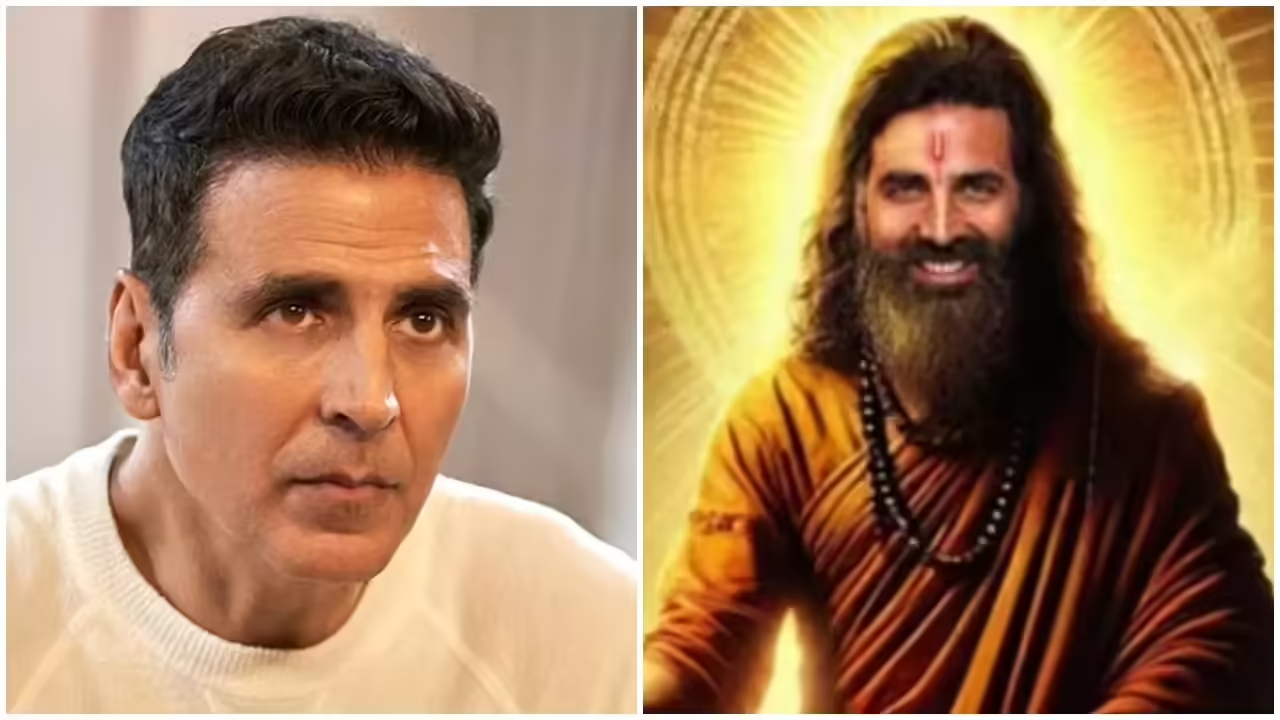
Recently, a major controversy erupted over an AI-generated video falsely portraying Bollywood superstar Akshay Kumar in the role of Maharishi Valmiki. The video circulated widely on social and digital platforms, provoking public debate. The Bombay High Court has now ordered the removal of this video, underscoring growing legal and ethical concerns about AI-generated misinformation in 2025.
What Happened?
An AI-generated trailer surfaced online that depicted Akshay Kumar as Maharishi Valmiki, accompanied by other well-known actors in a fake upcoming film. Despite the video gaining traction, Akshay Kumar himself strongly condemned the clip, clarifying publicly that he was not connected to the project and that the video was entirely fabricated using artificial intelligence technology.
He criticized the rapid spread of misleading AI-generated content and the irresponsible media outlets that reported the video as genuine news without verification.
Why Did the Bombay High Court Intervene?
The court acted in response to a petition highlighting the potential harm caused by the fake video. The video not only misled the public but also risked damaging Akshay Kumar’s reputation and promoting misinformation about sensitive cultural and historical portrayals.
The court’s order to remove the video is part of a broader effort to regulate AI-generated content, protect public figures, and maintain truthful representation in media.
Akshay Kumar’s Strong Message on AI Misinformation
Akshay Kumar used his social media platforms to issue a strong warning against AI misuse. In his statement, he emphasized how artificial intelligence can rapidly produce and spread false content that confuses the public and undermines trust in genuine news.
He urged media houses to verify information thoroughly before publishing and appealed to content creators and followers not to produce or share manipulated AI videos.
The Challenge of AI-Generated Content in 2025
AI technology has made creating highly realistic videos and images easier than ever. While this innovation has many benefits, it also presents serious risks like identity misuse, fake news, and deepfake videos.
The Akshay Kumar case is a clear example of how AI technology can be weaponized to distort facts and target personalities unfairly. It raises important questions about the responsibilities of social media platforms, regulators, content creators, and users in combating misinformation.
Legal and Ethical Implications
The Bombay High Court’s decision signals the need for robust legal frameworks to manage AI-generated fake content. It highlights:
The importance of protecting individuals’ image rights and reputations.
The necessity for stricter regulations on digital content verification.
The role of courts in setting precedents for AI content control.
Impact on the Entertainment Industry
As AI-generated videos become more sophisticated, Bollywood and other creative industries are facing unprecedented challenges. Misuse of AI could affect film promotions, actors’ images, and audience perceptions.
Celebrities like Akshay Kumar are calling for greater awareness among fans and media about the potential dangers of sharing unverified digital content.
What Can We Learn From This?
This incident is a timely reminder to:
Question the authenticity of viral digital content.
Rely on trusted sources for news and updates.
Encourage legal and technological measures for AI content monitoring.
Promote digital literacy to recognize misinformation.
Conclusion
The Bombay High Court’s order to remove the AI-generated Maharishi Valmiki video featuring Akshay Kumar marks an important step in addressing the growing issue of AI misinformation in 2025. It highlights the urgent need for ethical guidelines, legal oversight, and collective vigilance to ensure technology serves truth, not deception. Akshay Kumar’s stance reminds us all to be cautious about the content we consume and share in the digital age.

